
Coconut Charcoal Briquettes: The Eco-Friendly Fuel with Growing Global Export Potential
Learn everything about coconut charcoal briquettes, including their benefits, production process, quality standards, and Indonesia's growing export opportunities.
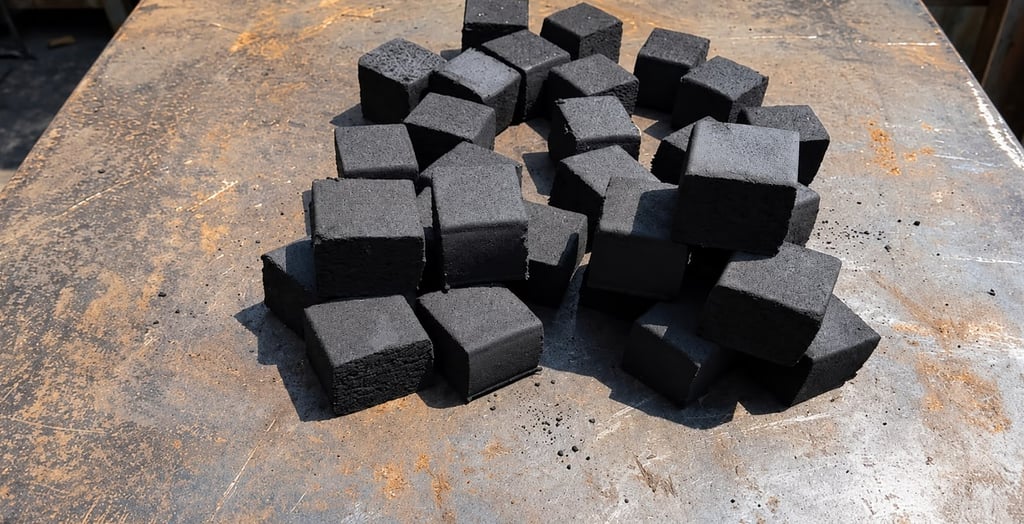
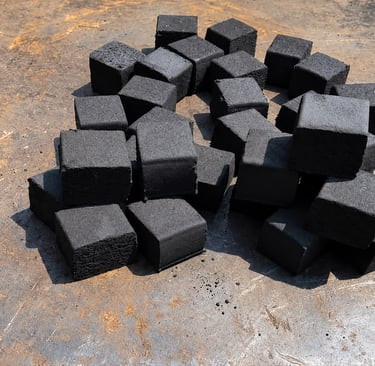
Coconut charcoal briquettes are compressed fuel products made from carbonized coconut shells. Through a series of manufacturing processes—including carbonization, crushing, mixing with a natural binder, molding, and drying—these briquettes become a high-performance alternative to traditional charcoal.
In recent years, coconut charcoal briquettes have gained significant popularity in international markets due to their long burning time, stable heat output, low ash content, and environmentally friendly production. As one of the world's largest coconut-producing countries, Indonesia has become a leading exporter of premium coconut charcoal briquettes for BBQ, shisha (hookah), restaurants, hotels, and industrial applications.
What Are Coconut Charcoal Briquettes?
Coconut charcoal briquettes are solid fuel blocks manufactured from coconut shell charcoal combined with a natural binder, typically tapioca starch. Unlike conventional wood charcoal, these briquettes utilize agricultural waste, making them a sustainable and renewable energy source.
The production of coconut charcoal briquettes supports the principles of the circular economy by converting discarded coconut shells into high-value products while reducing biomass waste and minimizing dependence on wood-based charcoal.
Benefits of Coconut Charcoal Briquettes
1. Longer Burning Time
One of the biggest advantages of coconut charcoal briquettes is their extended burning duration. Compared to traditional charcoal, they provide a consistent heat source for several hours, making them ideal for BBQ grilling and shisha use.
Longer burning time also reduces fuel consumption, improving efficiency for both commercial and household users.
2. Stable Heat Output
High-quality coconut charcoal briquettes produce consistent and stable heat throughout the combustion process. This ensures even cooking temperatures for grilling and maintains a smooth smoking experience for hookah enthusiasts.
3. Low Ash Content
Premium coconut charcoal briquettes are known for producing very little ash during combustion. Low ash content makes cleaning easier while maintaining better airflow and heat efficiency.
For BBQ applications, low ash also helps preserve the natural flavor of grilled food.
4. Environmentally Friendly
Because coconut charcoal briquettes are manufactured from discarded coconut shells, they help reduce agricultural waste while promoting sustainable biomass utilization.
Unlike traditional charcoal production that relies heavily on wood harvesting, coconut shell briquettes contribute to forest conservation and support renewable energy initiatives.
5. Minimal Smoke and Odor
Another major advantage is their clean-burning performance. Premium coconut charcoal briquettes generate very little smoke and virtually no unpleasant odor, making them suitable for restaurants, indoor grilling with proper ventilation, and hookah lounges.
How Coconut Charcoal Briquettes Are Made
The production process consists of several important stages.
Coconut Shell Selection
Manufacturers carefully select mature coconut shells with low moisture content to ensure high-quality charcoal production.
Carbonization
The coconut shells are heated in a low-oxygen environment, converting them into charcoal with high fixed carbon content.
Crushing
The charcoal is crushed into fine powder to create a uniform raw material for briquette production.
Mixing with Natural Binder
The charcoal powder is blended with a natural binder, commonly tapioca starch, to improve cohesion and molding performance.
Briquette Molding
The mixture is compressed into various shapes, including:
Cube
Hexagonal
Finger
Pillow
Tube
Different shapes are designed to meet the needs of BBQ, shisha, and industrial markets.
Drying
Finally, the molded briquettes are dried until they reach the desired moisture level, ensuring optimal combustion performance and longer shelf life.
Characteristics of High-Quality Coconut Charcoal Briquettes
Export-grade coconut charcoal briquettes generally possess the following characteristics:
High fixed carbon content
Low moisture content
Low ash content
High calorific value
Uniform size and shape
Strong mechanical durability
Spark-free combustion
Long burning time
Stable heat output
These quality indicators are essential for meeting international customer requirements and ensuring consistent product performance.
Applications of Coconut Charcoal Briquettes
BBQ Charcoal
Restaurants, hotels, and barbecue enthusiasts prefer coconut charcoal briquettes because they burn longer, produce consistent heat, and generate minimal smoke.
Shisha (Hookah)
The global hookah industry represents one of the largest markets for coconut charcoal briquettes. Their long-lasting heat, odorless combustion, and low ash content make them the preferred choice for premium shisha users.
Industrial Fuel
In addition to food-related applications, coconut charcoal briquettes are increasingly being used as an alternative biomass fuel in selected industrial heating processes.
Why Indonesia Is a Leading Coconut Charcoal Briquette Producer
Indonesia enjoys several competitive advantages in the global coconut charcoal briquette industry:
Abundant coconut production
Sustainable supply of coconut shell biomass
Experienced charcoal manufacturing industry
Competitive production costs
Strong export infrastructure
Growing international reputation for premium-quality briquettes
Recent studies indicate that Indonesia continues to demonstrate a strong comparative advantage in exporting coconut shell charcoal briquettes, particularly to Middle Eastern and European markets.
Global Market Demand
Demand for coconut charcoal briquettes continues to increase due to several global trends:
Rising awareness of sustainable energy solutions
Growing premium BBQ market
Expanding hookah industry
Consumer preference for eco-friendly products
Increased utilization of renewable biomass resources
As governments and industries seek cleaner fuel alternatives, coconut charcoal briquettes are expected to play an increasingly important role in the renewable energy market.
How to Choose High-Quality Coconut Charcoal Briquettes
When selecting coconut charcoal briquettes, buyers should consider the following specifications:
Low moisture content
Low ash percentage
High calorific value
High fixed carbon
Uniform dimensions
Crack-resistant structure
Long burning duration
Stable heat generation
Made from 100% coconut shell charcoal
Reliable manufacturers also provide laboratory test reports to verify product quality and ensure compliance with international standards.
Conclusion
Coconut charcoal briquettes have emerged as one of the most sustainable and efficient alternative fuels available today. Produced from renewable coconut shell biomass, these briquettes offer long burning time, stable heat, low ash content, and environmentally friendly performance.
With abundant raw materials, competitive manufacturing capabilities, and growing international demand, Indonesia is well-positioned to remain one of the world's leading suppliers of premium coconut charcoal briquettes. As global markets increasingly prioritize sustainable energy and eco-friendly products, the future of coconut charcoal briquettes looks exceptionally promising.